
Contents
- Construction Industry
- How Do I Get A Good Job In Construction?
- Introspection – Some things worth considering
- What Is My Path Of Growth?
- No Study Or Degree Or Certificates
- Get Certified
- Recruitment Agencies
- Keep On Updating Your Skills
- Prepare Yourself For The Higher Role
- Networking
- Construction Job And Salaries
Construction Industry
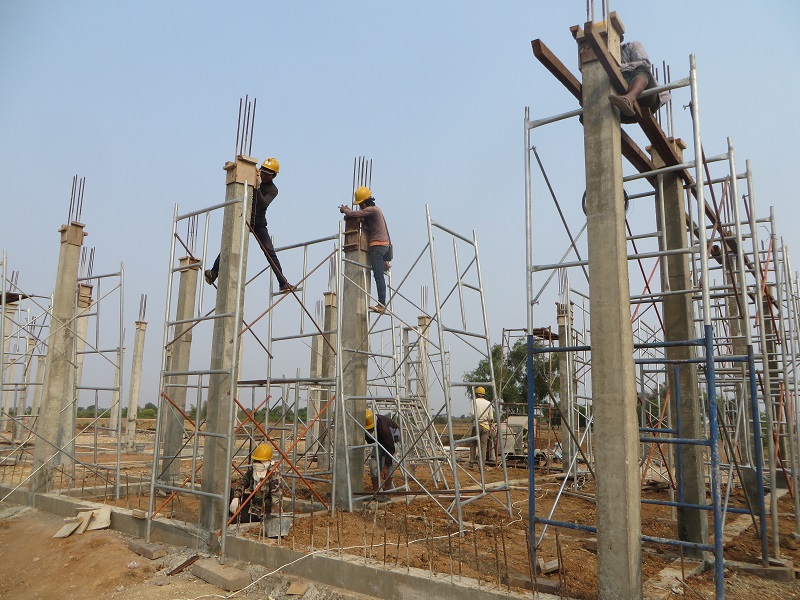
The construction industry is on a growth trajectory worldwide in the wake of development activities, despite the temporary setbacks, since it is closely related to all walks of life. It entails constructing buildings, houses, complexes, engineering projects, roads, bridges, including renovation and maintenance activities. It could be residential or commercial, improving the nation’s core infrastructure or building for industrial or public use.
All this means that there are a plethora of opportunities for the students to carve out their careers. The opportunities for skilled and experienced workers are better. They earn relatively higher than their counterparts in other industries. it also supports a good number of self-employed workers.
How Do I Get A Good Job In Construction?
Typically, construction jobs have been stereotyped for a long time to aspects like manual labor, dirt, jeans, etc. This mentality is changing fast, and we can see serious blue-collar jobs in this industry, which are well paid and respected. So, you need not be physically strong and rugged to enter into this industry. Young professionals nowadays are looking forward to a lucrative job in this industry.
But how do we secure a career in this growing industry? There is a job waiting to be filled in for each of us, and we need to take the right steps from early on.
preparing the image you present to employers
Whatever it is, to break into this sector, you need to start exploring.
We are giving you a few tips on carving a career in the construction industry.
Introspection – Some things worth considering
Is working in the construction industry really what you are looking for? What you want to work in the background or as a front-line manager? Find out what working style is the most interesting to you. Identify your passion. Do you get inspired by complex problems? Or would you prefer to work at the site and get your hands dirty?
All this introspection is going to help you a lot in determining what matters to you. When you have made up your mind, explore that area, and dig deeper.
千里之行,始於足下
“A journey of a thousand miles begins with a single step“
Laozi
What Is My Path Of Growth?

You need to understand the career path that you intend to follow. Some are longer than the others. if you intend to be a part of the management, you could be managing the whole organisation or a part of it. If you choose a narrow career path, there may be a limited chance of growth. But the basic idea is to have a career of your choice. once you have chosen what you like and the path you want to take, 50% of your work is already done. The employer needs such committed people with a clear understanding of their career goals and their career path.
No Study Or Degree Or Certificates
Don’t worry if you have not completed a specific course in construction management or the like. Rework on your resume. it is the first most natural step. You need to update so that your resume is in order. try to highlight relevant experience (if any). Even if you have not got any work experience, find out if you ever volunteered for activities beyond the core work or educational activities. Start looking for jobs more smartly. filter out the jobs which are advertised with little or no experience. You may try short term or seasonal jobs. not all jobs are advertised online. you may use your networking skills. try to apply for training or apprenticeship. it could be a very useful method of learning the tools of the trade and choose the domain as per your liking.
Get Certified
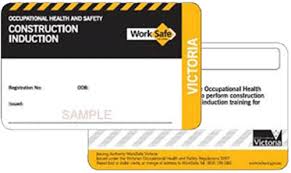
There is always a limit to what you can find without proper certification. Several jobs require prior certification. you may refer to types of jobs available and required certifications and average salaries at the end of the post.
For example, to become a construction contractor, although high school with relevant experience could be enough to get started, getting graduation in construction management or a similar field is better. The employer may also seek a state license.
Recruitment Agencies
Once you have all the required certifications, then a recruitment agency can help you find a placement. It has become easier to get noticed in this digital age if you possess all the market needs. Once you are skilled and qualified, construction recruitment agency can help you find a placement with new skills and expertise.
Keep On Updating Your Skills
Keep on learning the latest things in your industry. The knowledge may become obsolete with time. many aspects of the industry are changing at a faster pace. New tools and skills are taking the place of traditional ones. the technology usually keeps on changing, and you need to keep yourself updated. People who keep themselves updated rise up the ladder fast. it would help if you also reskilled yourself.
For example, UPVC pipes are fast replacing GI pipes. with a change in technology, you get higher benefits at lower costs, and you need to keep yourself aware of the latest trends. What used to work many years ago is no longer considered a better choice. Things are changing fast, and you need to be on your toes all the time.
Prepare Yourself For The Higher Role

Climbing the ladder doesn’t always lead to a better place! 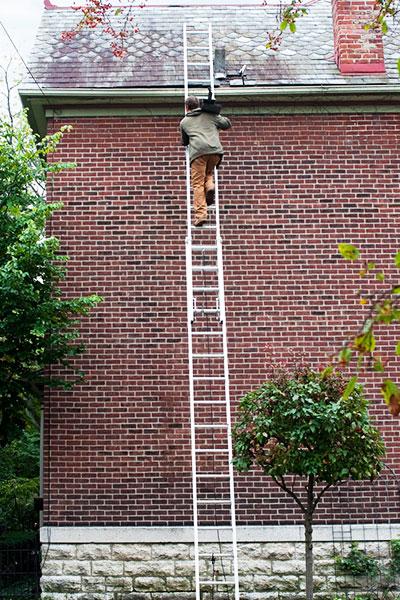
Sometimes that risk to get to the top rewards with a great view when you get there
Always keep looking upwards and aim higher in learning new skills for a higher place on the career ladder. You do not intend to be at a middle management level all your life. That demands additional skills. try to find out what skills or exams or certifications are required to reach up to the next level. It could be a license, a certification, a refresher course, or simply the soft skills like leadership and communication.
Networking

Let the world know how skilful you are. If you keep your colleagues, bosses, and friends in the loop, there are higher chances for you to move up the ladder. Networking skills are considered as a booster dose for your career. you need to highlight and market yourself by letting other people know that you are available out there.
Construction Job And Salaries:
According to figures helpfully provided by Australian jobseeker site seek.com.au, the construction industry is full of lucrative roles. See below for a list of the types of jobs available in the construction industry with the required certifications, and the expected average salary.
- 1. Builder: they coordinate the construction work in a project. they may require a certificate course in building and construction along with a builder’s license. $45000-55000.
- 2. Building estimator: they prepare a cost estimate for building projects for procuring labor, material, and equipment. they may require a certificate in building construction estimation or a diploma in building and construction. – $75000-85000.
- 3. Building inspector: their job is to ensure compliance with laws and regulations. they may inspect before, after, or during the construction work. It would be best to have a building and construction diploma or an advanced diploma in building surveying—$ 95,000.
- 4. Building supervisor: a building supervisor needs to manage and control a project site with staff and subcontractors. they are expected to have a bachelor’s degree in civil, along with experience in project management. $103,000
- 5. Building surveyor: they are responsible for the safety of the buildings as per regulations. you may consider becoming a bachelor in building surveying. $110,000
- 6. Civil construction worker: they prepare construction and infra sites so that the work goes on smoothly. they can work without qualifications and need physical fitness. They may also have a certificate course in civil construction—$ 63,000.
- 7. Civil estimator: they prepare budgets and estimates for the projects. a background in civil engineering is preferred here—$ 130,000.
- 8. Civil project manager: they oversee large projects and are responsible for timely and cost-effective completion. -$140,000.
- 9. Client-side project manager: they are a link between the project and the client. their prime job is to protect the interest of the client. A bachelor in project management or an undergraduate qualification is desirable. – $130,000.
- 10. Construction manager: the advise the concerned persons about the day to day operation at the site. they need to have a thorough understanding of the industry. They usually need to have an advanced diploma in building and construction management- $205,000.
- 11. Foreperson: a foreperson or a foreman oversees other workers. He is a part of the team responsible for the timely completion of the project. They are expected to have trade qualifications and have excellent technical knowledge and leadership skills—$ 120,000.
- 12. Plant Operator: they operate heavy machinery and equipment at the industrial sites. it involves activities like excavation, transportation, digging trenches, and crushing rocks. They need to hold specific licenses and a certificate course in plant operations. $55,000.
- 13. Quantity Surveyor: they work in association with architects and engineers for planning and estimation. They generally need to graduates—$ 110,000.
- 14. Site manager: they are experts in project management and look after several sites. they are usually entry-level employees and help other managers in the execution of the projects. Having a specialised qualification is an advantage for them.—$ 130,000.
- 15. Surveyor: they take care of land surveys and boundaries. They need to have a degree in surveying and spatial science—$ 103,000.